
Fat Transfer: The Hit Trend for a Youthful, Fuller Face in 2021

Everyone wants a youthful, full face — not gaunt or thin, but adorable, soft, wrinkle-free and fresh — with a one-time investment that does not need frequent repeating like filler. Fat transfer is the answer.
rn
 rnrnrn
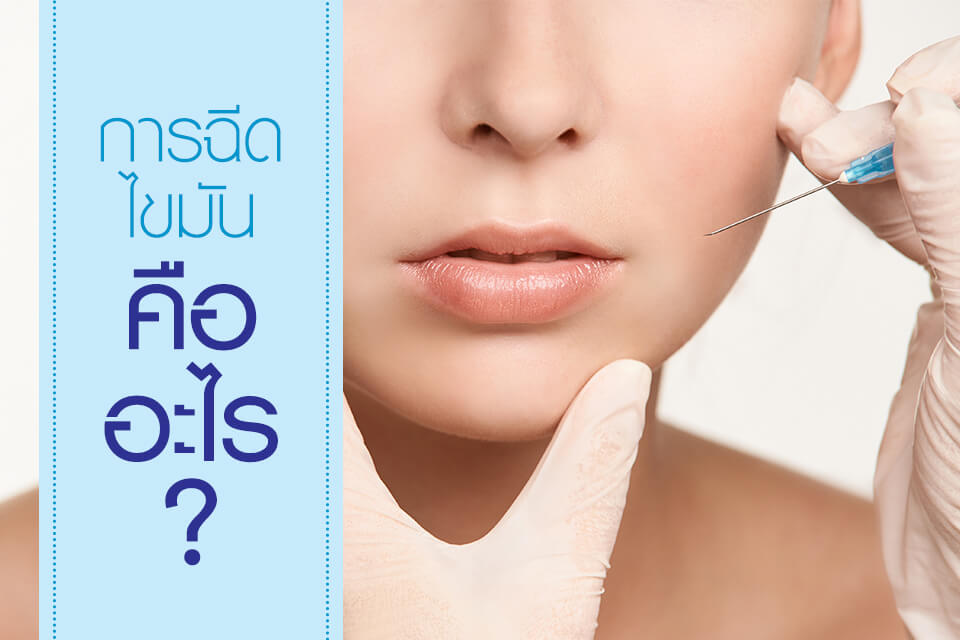
What is fat transfer?
rnrnFat transfer is like a filler injection, but it is a "forever" filler — it lasts far longer and more permanently, with no need for frequent top-ups. Fat transfer takes our own fat from various areas, such as the abdomen, thighs and hips, and uses that fat to fill in different areas of the face or other parts of the body.
rnrnrn rnrnrn
Which areas can fat transfer fill?
rnrnVarious wrinkles, crow's feet, nasolabial folds, and a thin, sagging lower face
rnrn- rn
- Forehead, chin, cheeks, temples rn
- Creating dolly eyes rn
- Concealing silicone outlines on the chest after surgery rn
 rnrnrn
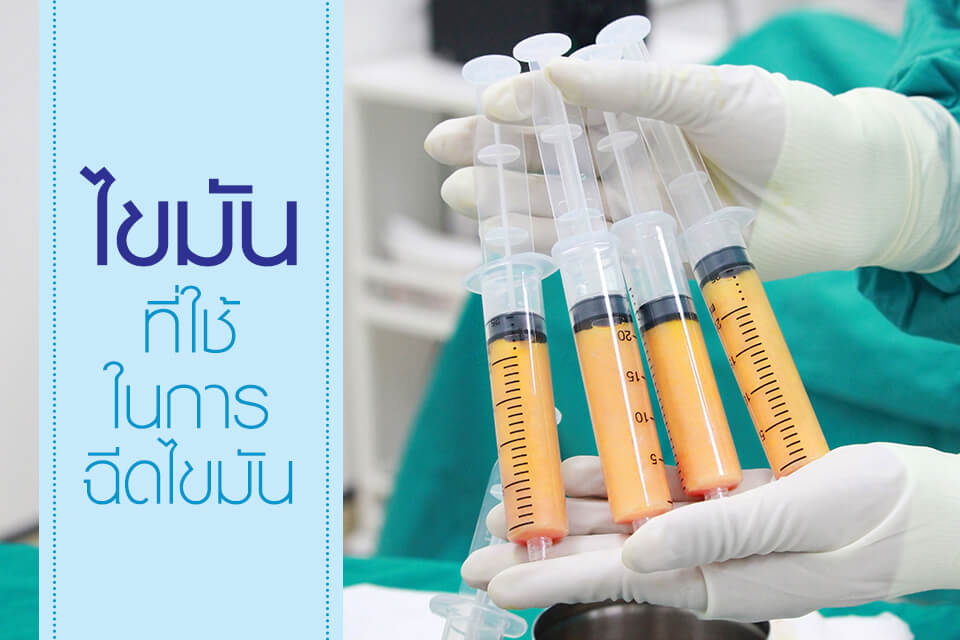
The fat used in fat transfer
rnrnThe fat used in fat transfer is safe — there is no need to worry about cell incompatibility, and no allergic or other reactions occur, because it uses fat cells from the patient's own body. It is living tissue containing stem cells, which helps restore the vitality of the facial skin and the skin in that area for a naturally youthful look.
rnrnrn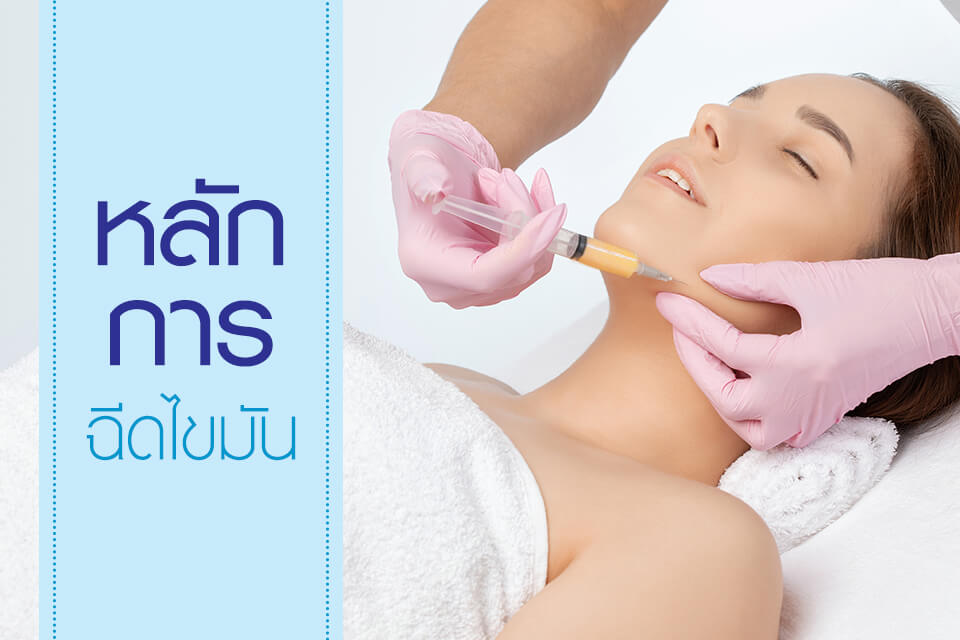 rnrnrn
How fat transfer works
rnrnThe doctor suctions excess fat from the body using a small-holed cannula together with a small suction syringe, suctioning slowly to prevent damage to the fat cells. This yields high-quality, still-living fat from the patient's own body.
rnrnOnce the fat for the transfer has been obtained, the doctor centrifuges and separates it — while keeping it at the same high quality — so that the fat cells become smaller, and then injects it into the appropriate positions where filling is desired, using a fine needle.
rnrnChoosing the injection sites must be done by a physician specializing in dermatology and surgery, because it affects how the fat settles beneath the facial skin and how smooth the result is afterwards, without ripples or lumps.
rnrnAfter the fat transfer, only a 2-millimeter mark is left, with swelling for about 1-2 days. The results gradually become clearer and reach completion in only about 1 month.
rnrnrn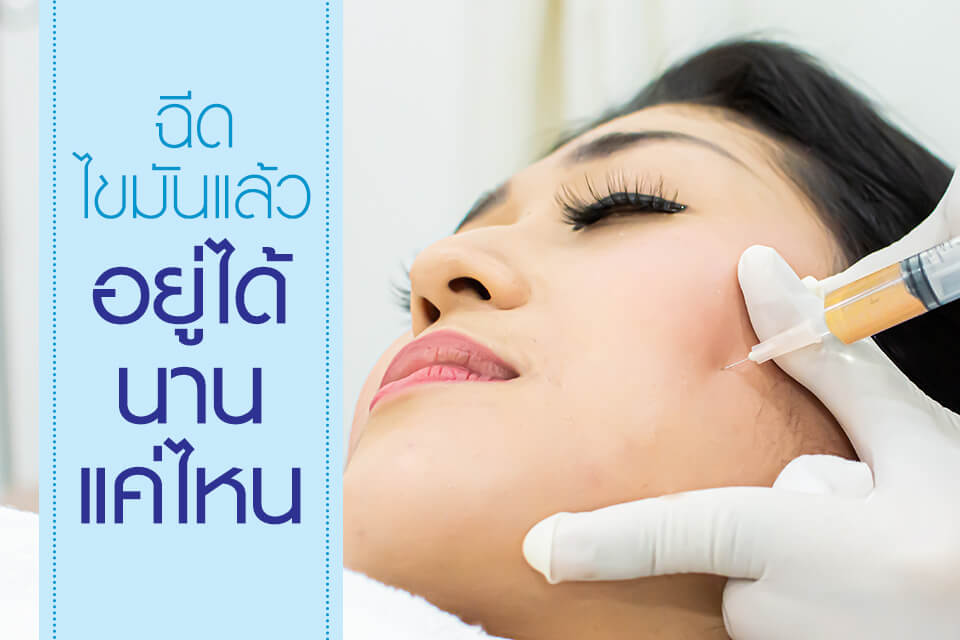 rnrnrn
How long does fat transfer last?
rnrnFat transfer performed by an expert physician can last for years without frequent top-ups, though it also depends on the patient's body — how quickly it metabolizes fat — and gaining or losing weight also changes the fat levels in the body.
rnrnPreparing before a fat transfer
rnrn- rn
- Undergo a thorough physical examination so the doctor can check for side effects or any contraindications to the procedure rn
- Stop taking medications with anticoagulant effects, such as aspirin, as well as alcohol and cigarettes, at least 2 weeks before surgery rn
- Stop taking vitamins and supplements that can affect bruising and swelling of the wound, such as vitamin A, vitamin E and fish oil, at least 1 week before surgery rn
rn
rn
rn
rn